TryTheCBD
Designing a grounded brand experience for a wellness-forward CBD company
Context & Challenge
TryTheCBD operates in a highly sensitive and regulated market, where user hesitation is driven less by product quality and more by trust, clarity, and perceived credibility.
Despite strong offerings, users often felt uncertain about product differences, hesitated before committing to a purchase, and needed reassurance around quality and legitimacy.
How do we reduce hesitation and support confident decisions in a category where trust is everything?
Research & Insights
Trust builds loyalty. CBD customers make decisions based on proof and transparency. They look for lab results, verified sourcing, and consistent design – visual cues that signal safety and quality at a glance.
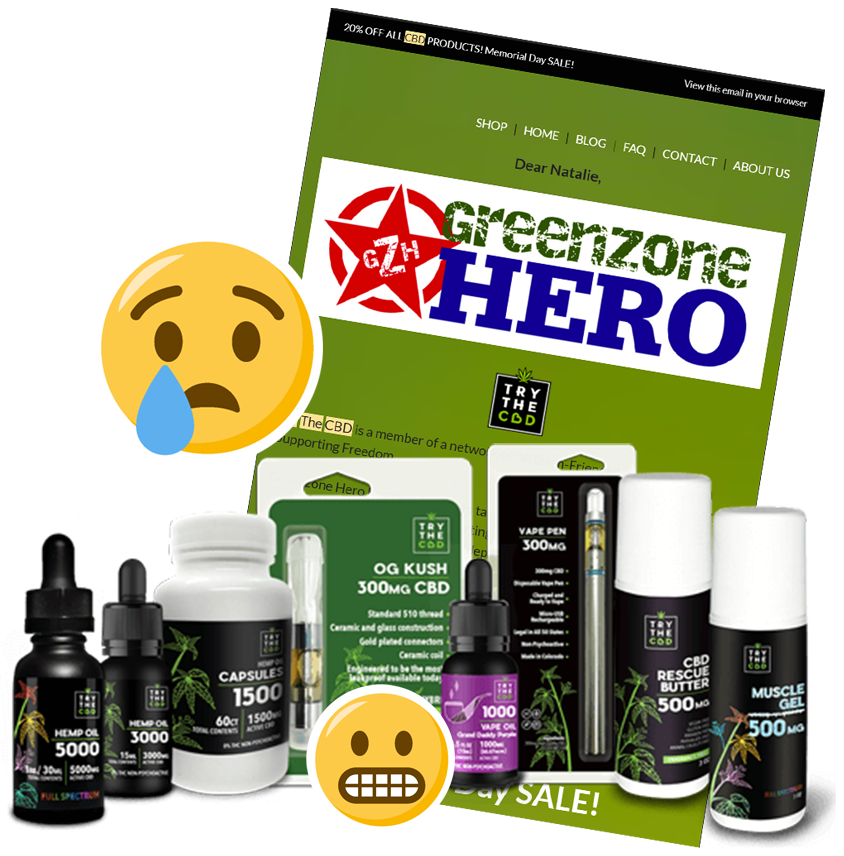
Too much choice, not enough clarity. The large product catalog created confusion. Users struggled to compare oils, edibles, and vapes, often leaving before finding what suited their needs.
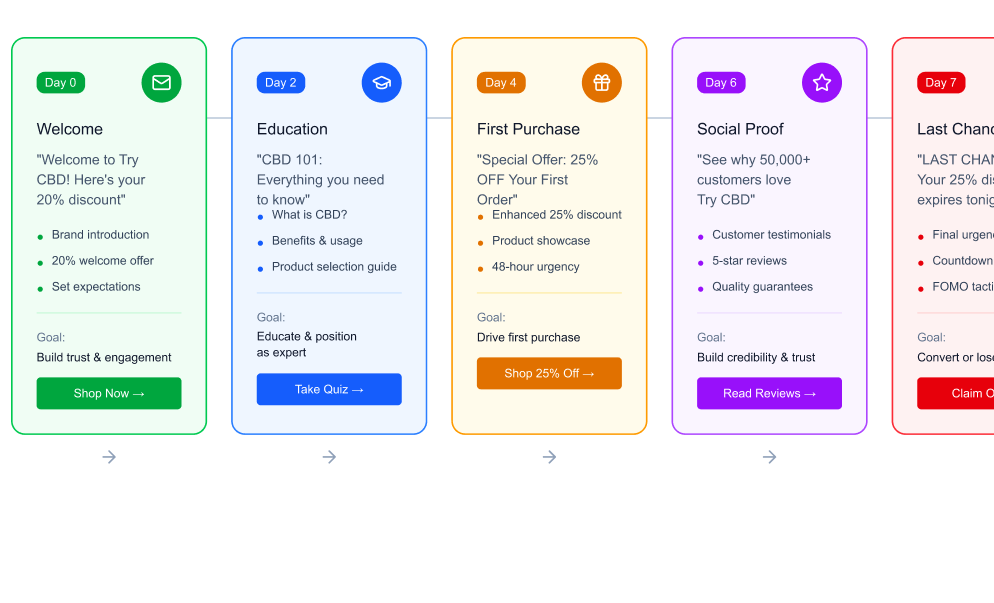
Early communication drives retention. Email and onboarding touchpoints showed high potential. A friendly welcome flow, product education, and clear follow-ups helped turn first-time buyers into long-term customers.
My Responsibilities
Brand Audit & Packaging Refresh
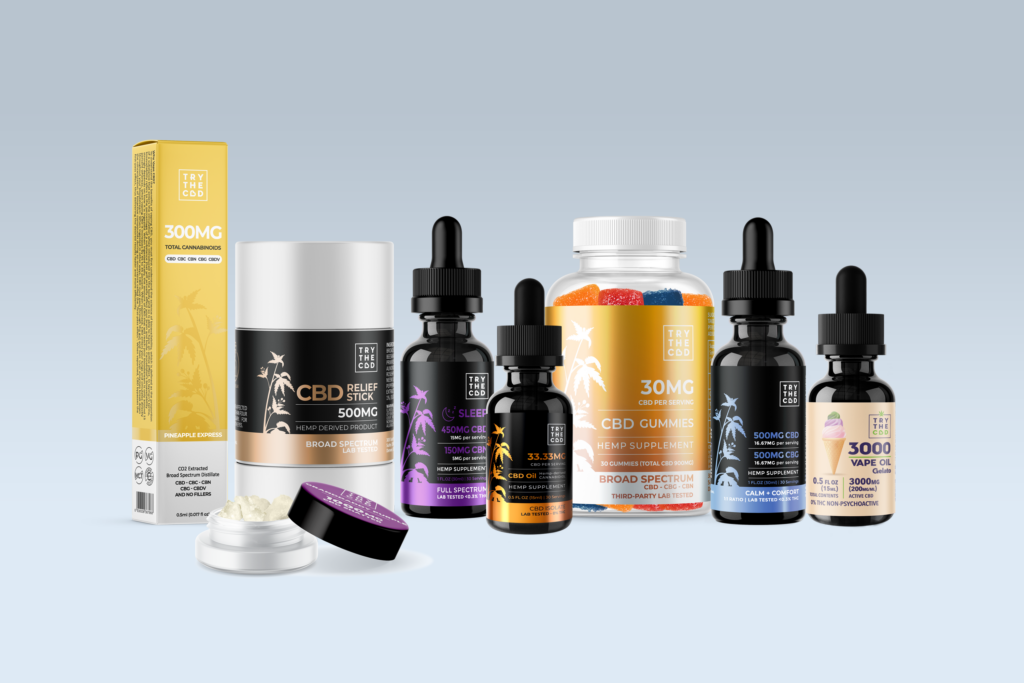
Reviewed all packaging and labels, identifying inconsistencies in typography, colour, and hierarchy. Introduced a refreshed design system with vibrant accents on a dark base, giving the products a modern, premium look while maintaining brand recognition.
Website Redesign
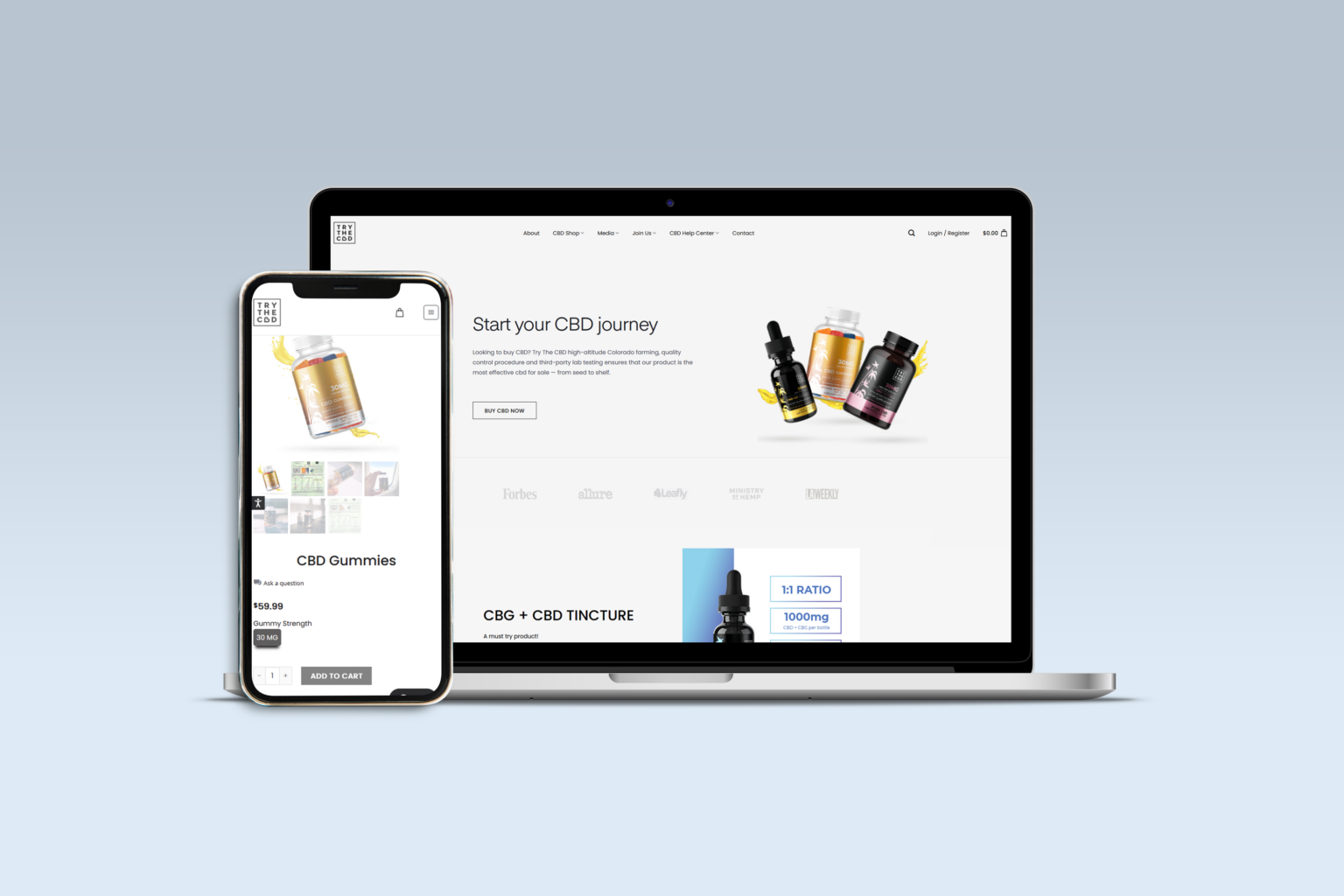
Collaborated with developers and writers to rebuild the website's structure and user flow. Added clearer navigation, verified lab results, and transparent sourcing sections – helping customers make confident, informed choices.
Email Marketing & Customer Retention
Designed a complete email system – from welcome flows to promotional templates – that matched the new brand identity. This helped create a more cohesive user journey and boosted engagement with educational content and product offers.
Marketing & Launch Materials
Designed hero visuals, social banners, product brochures, and digital ads to support ongoing campaigns and launches. Each asset reflected the refreshed identity.
Learnings & Reflection
Working with TryTheCBD reinforced how important trust, clarity and storytelling are in a sensitive category like wellness.
Design wasn't just about aesthetics – it was about how visuals and experience can build confidence, reduce friction and guide users toward a meaningful decision.
If I revisited this project now, I would focus further on personalisation in email flows and UX enhancements that bring product categories alive based on user intents.